
Write the Delivery Point into the Packaging Quotation
A packaging quote that says “delivery included” still needs a defined delivery point and responsibility split. Record the agreed Incoterms rule, its edition and the named place or port with enough detail for the parties to identify the same handover. Keep the product specification and acceptance agreement alongside it: a delivery rule does not define which bags or rolls were ordered.
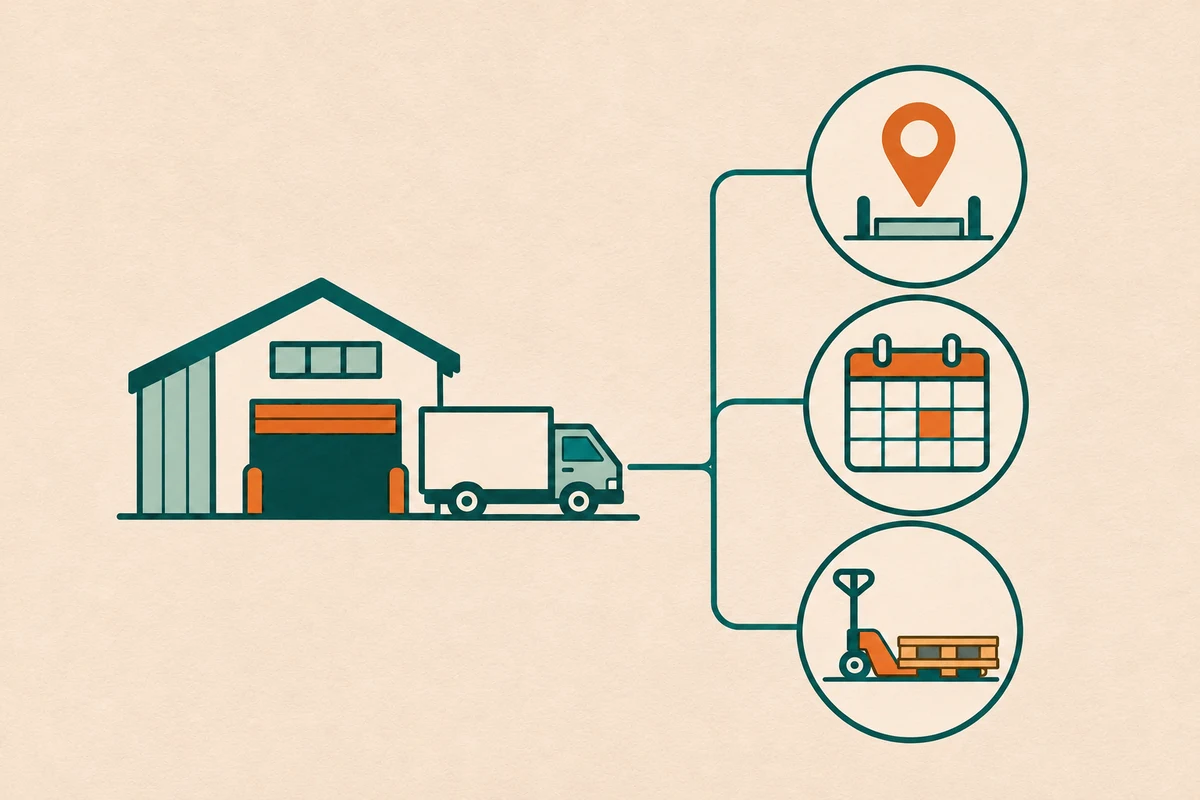
Start with the agreed rule and edition
The US International Trade Administration describes Incoterms as rules allocating delivery-related tasks, costs and risks between buyers and sellers. Its overview distinguishes rules using a named place from sea and inland-waterway rules using a named port. It also says the chosen edition needs to be identified. A three-letter abbreviation without that context leaves part of the quotation unresolved.
Use a clear record such as “[agreed rule] — [precise named place or port] — Incoterms [agreed edition]”, then attach any expressly agreed exceptions. Do not choose the rule solely because its quoted price looks lower. First check that the transport arrangement and the work your team can perform match the proposed responsibility split. YUANEN’s actual delivery arrangements require written order confirmation; no particular rule is promised by this guide.
Turn a location name into an operational handover
A city name can contain a port, terminal, warehouse and several receiving entrances. Ask which actual site and point the quotation covers, and identify the receiving contact, access arrangements and any appointment requirement. These practical details tell the forwarder and receiving team where the agreed handover is expected; they should remain consistent with the chosen rule rather than silently changing it.
For a concrete distinction, AIT Worldwide Logistics explains DAP as delivery at the named destination ready for unloading, with unloading at the buyer’s risk and cost. Its guidance asks the parties to agree the precise unloading spot. If your operation needs unloading to be included, raise that requirement before accepting the offer and reconcile it with the rule and contract. “At our warehouse” does not by itself say who supplies the unloading equipment or performs that work.
Keep delivery, import arrangements and ownership separate
The named point is only one part of the record. Identify who arranges transport, any required insurance, export and import formalities and the associated charges under the chosen rule and agreement. Do not infer from “freight included” that import charges or every destination service are included. Ask the quotation to identify unresolved items instead of treating them as zero-cost services.
The Trade Administration also states that Incoterms do not determine transfer of ownership or the payment method and timing. Keep those terms in the sales agreement. Separating ownership, delivery risk and payment avoids using the same vague word “responsibility” for different decisions. This guide helps prepare the enquiry; the selected rule and actual agreement govern the transaction.
Connect the handover to the packaging actually supplied
For YUANEN bubble-insulation rolls, the product page asks buyers to agree protection against dirt and crushing, handling and unloading before dispatch, alongside the material specification, invoice and packing list. Link those records to the item and quantity being shipped. If a shipment is rolls rather than cut sheets, tell the receiving team which format and handling information it should expect; the delivery abbreviation cannot supply those missing product facts.
Retain the quotation revision, agreed location, receiving arrangements and shipment documents together. At receipt, use the separate product-acceptance record to check identity, quantity and the agreed material condition. Arrival at a delivery point and acceptance of product conformity are different questions; neither a transport term nor an undamaged outer package establishes insulation performance or certification.
Sources and scope
Check the cited sources. Product specifications are subject to order confirmation and the agreed sample. This article is not a product test report or a regulatory certification.