
Plan a Return Loop for Reusable Thermal Pallet Covers
A reusable thermal pallet cover needs a working return process to deliver repeated service. Before budgeting several trips per cover, establish who returns it, how it is inspected and when it becomes available again. Use a limited operational pilot to replace assumed reuse with records of accepted shipments, losses and return costs.
Map ownership before specifying repeated use
Write down who removes the cover at the receiving site, where it is stored, who books the return, and who pays for the movement. Include the party responsible when a cover disappears or is returned in an unacceptable condition. A buyer-operated distribution loop can assign these tasks to named sites. A shipment to an unrelated consignee needs an explicit return arrangement before the cover can be counted as available for another trip.
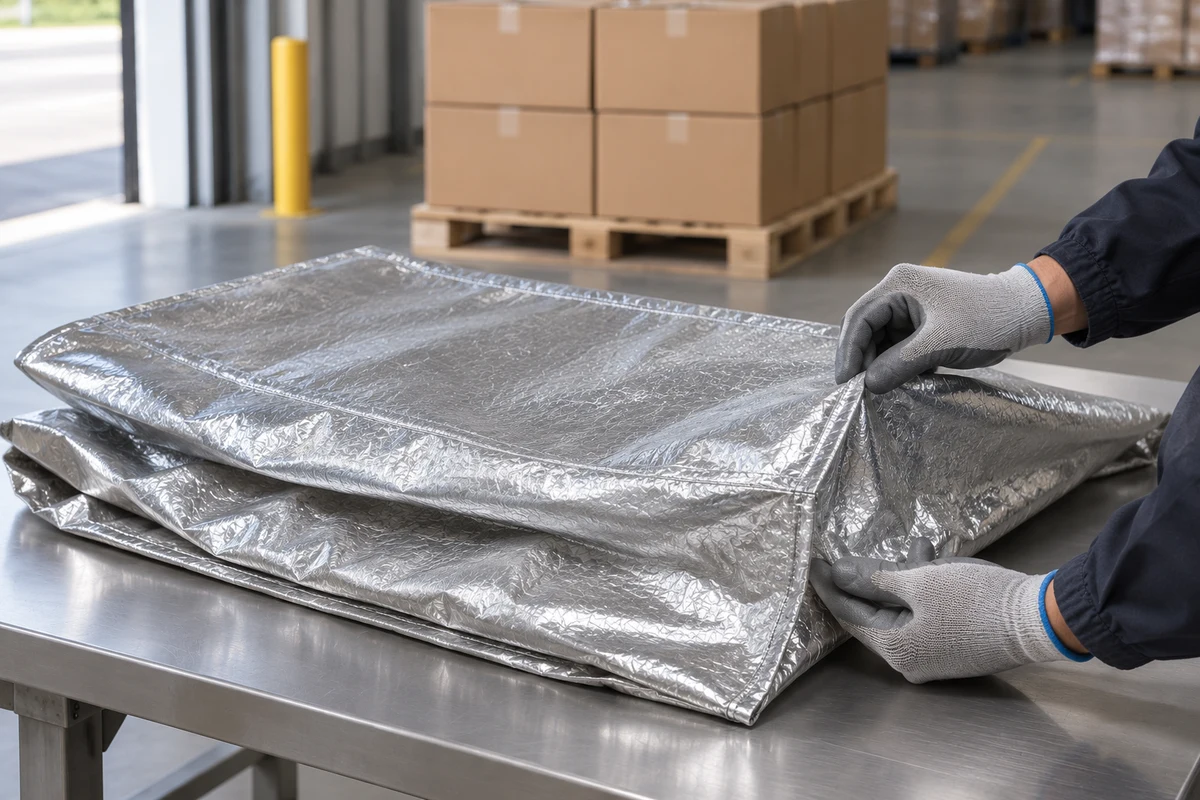
Ask the receiving team to rehearse removal with the actual load. Record how the cover clears the cartons, where it is laid down and how it is packed for return. A return plan that requires equipment or floor space unavailable at the destination needs revision. Include a simple identification method agreed with the supplier so the returned item can be linked to its specification and use record.
Keep returned, inspected and available stock separate
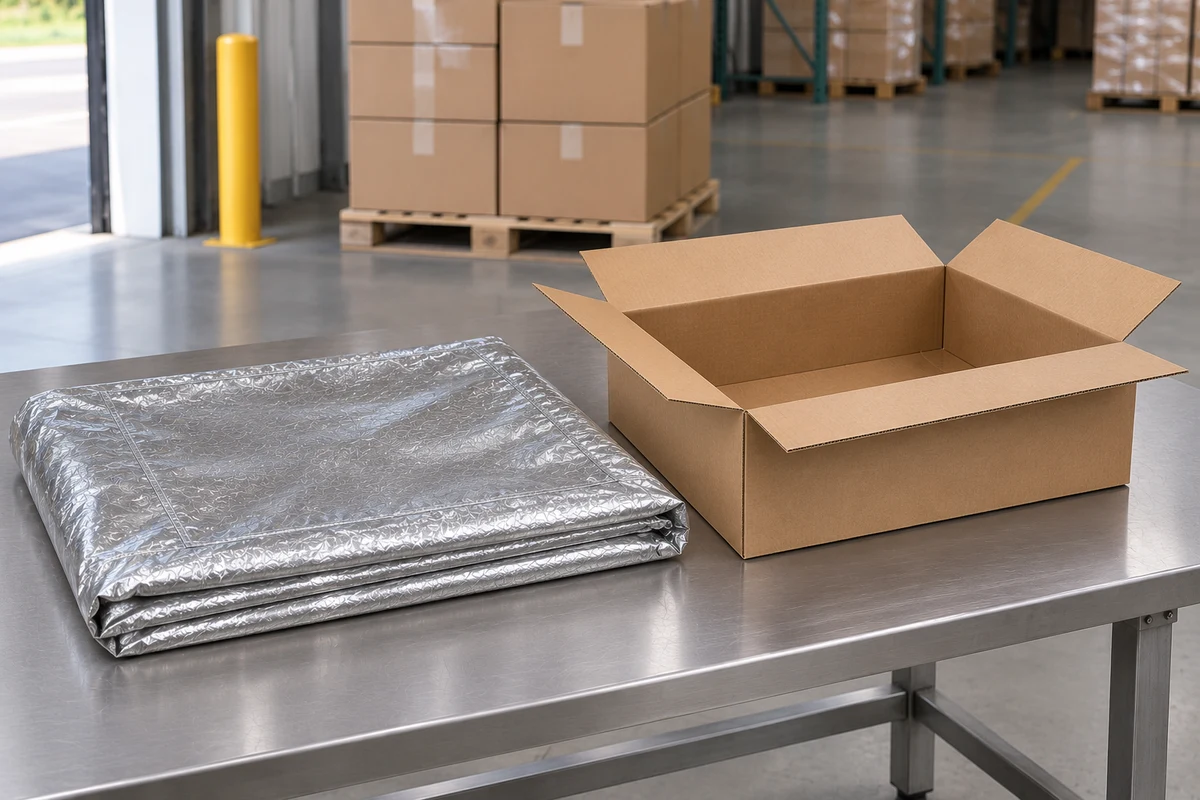
A cover physically back in the warehouse may still need inspection, drying, cleaning or a decision on damage. Give each state a defined location and responsible person. Record the reason and next action for held covers. Dispatch planning should use stock released for the next shipment, because counting quarantined or unprocessed returns can leave the loading team without usable covers.
Agree an inspection sheet for the actual construction. Review panel joins, edges, closures where fitted, contamination and any change that prevents the intended installation. Request the supplier’s permitted cleaning and repair methods for that material. When a method is unconfirmed, hold the affected item for a decision. A visually acceptable cover still needs the performance evidence appropriate to the shipment and its service history.
Calculate cost from completed acceptable trips
For a defined pilot period, add the cover purchases allocated to that period, collection and return freight, inspection labour, approved cleaning or repair, and replacement purchases. Divide that total by the completed covered shipments accepted under the agreed criteria. Keep the scope consistent across options. A replacement already included in purchase spending must appear only once in the total.
Record issued, returned, held, rejected and lost units alongside the cost calculation. These counts explain why a low purchase price can still produce a costly loop, or why a more durable specification may fail to deliver the assumed number of trips. Use observed returns and accepted trips from the same period. A supplier’s potential reuse count belongs in a separate assumption until your operation has supporting records.
Choose the route before choosing the cover grade
A regular route between controlled sites can support a pilot with assigned return responsibility and repeat inspections. An irregular route with scattered recipients needs a collection plan and realistic return cost before reuse savings can be assessed. Where return arrangements remain unresolved, compare a one-way procurement option using the same shipment requirements. This makes the commercial comparison match what the destination can actually do.
Changing the cover material, construction or closure can also change handling and packing requirements. Keep the load dimensions, installation method and shipment evaluation linked to the selected sample. The existing pallet-clearance guide addresses physical fit. A reuse programme adds service history and return handling to that decision, and needs a rule for reviewing the specification when damage or rejected returns recur.
Give the supplier a return-loop brief
Include the pallet and load envelope, required coverage, handling points, intended route, receiving process and return method. State which parties control those steps and which are still unconfirmed. Ask for the proposed material and joint construction, care instructions, sample identification and any available evidence supporting repeated service under the proposed conditions. Tie the quotation to that version.
YUANEN’s insulated pallet covers are specified around the agreed load and packing arrangement. Material, dimensions and sample requirements belong in the enquiry. Establish return suitability and any service-life claim through agreed evidence for the selected construction. A photograph of a folded cover demonstrates the intended inspection arrangement only. Keep the approved sample record, cost log and release decisions together so future orders use the same basis.
Sources and scope
Check the cited sources. Product specifications are subject to order confirmation and the agreed sample. This article is not a product test report or a regulatory certification.