
Match a Laminate Bond Report to the Insulation Material Being Ordered
A number headed “peel strength” is useful only when it describes the laminate and interface you intend to buy. Start by matching the report to the sample, then identify what was prepared, how resistance was measured and which result was reported. A test-method name by itself neither approves a different material nor establishes an acceptable minimum for your order.
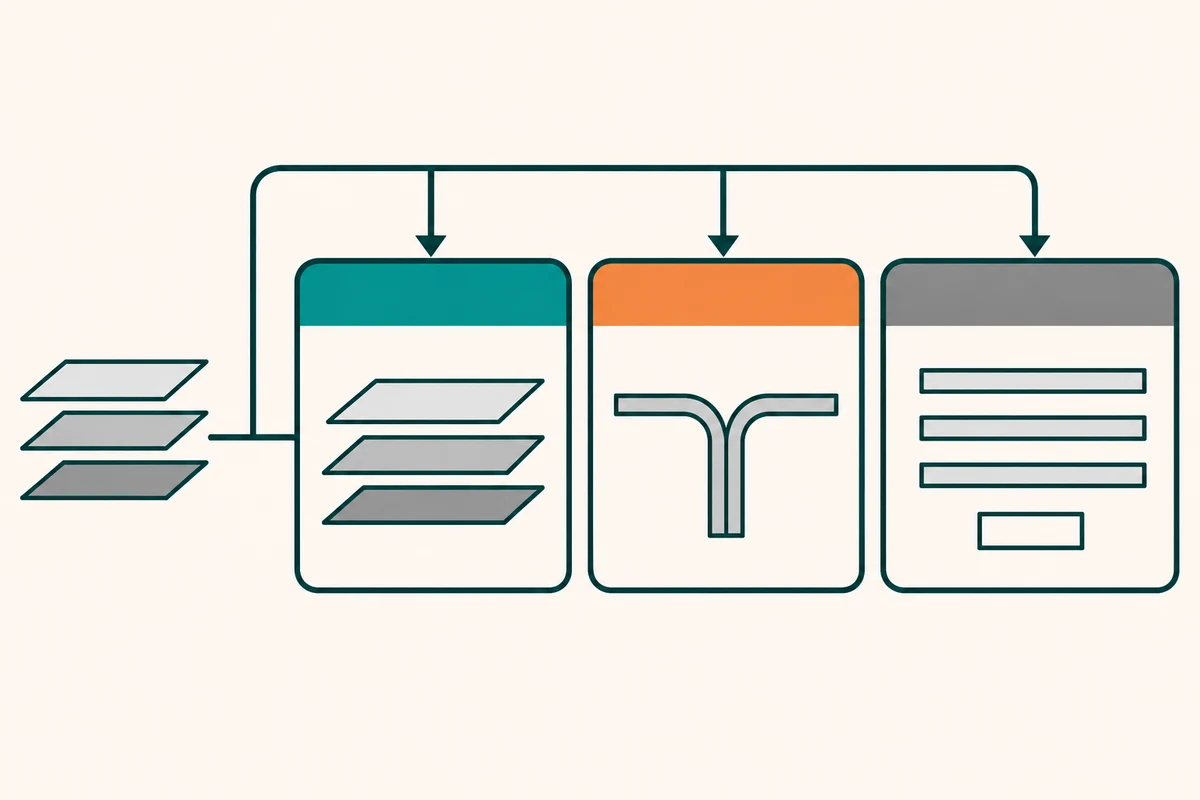
Identify the construction and the interface
YUANEN’s EPE roll page asks buyers to confirm the reflective facing, foam grade and bonding requirements with the sample. The bubble-roll page instead describes a reflective facing and formed air cells, with sample-edge and cell-condition checks. Keep the selected product, laminate revision and sample identity beside the report. A report for an unrelated film laminate does not become evidence for foam or bubble material merely because its facing is also silver.
Ask the report issuer to identify which layers were separated and where separation was observed. That connects the recorded force to a defined interface or observed material separation. If the report does not identify the tested construction, resolve that gap before ranking its value against another supplier’s number. A matching material description is the starting point for comparison, not a claim that the material has passed your acceptance rule.
Separate specimen preparation from the measured result
ASTM’s public scope for F904-22 describes techniques for separating laminate plies so that their bond strength can be measured. A report citing this practice still needs to identify the actual measurement procedure and result definition. A reference explaining how layers were separated cannot, by itself, tell a buyer which force statistic was used or whether the order requirement was met.
For comparison, ASTM’s public description of D1876-08(2023) concerns relative peel resistance between flexible adherends using a T-type specimen; its abstract identifies resistance over a specified bond length after the initial peak. This illustrates why “maximum force” and a result taken over a defined later region are not labels to treat as interchangeable. It does not establish that D1876 is the appropriate method for your insulation laminate. Method selection and any modification must be agreed for the actual material.
Compare a stated result, not just its headline
For each report, retain the method and edition, any agreed deviation, specimen width and direction, test configuration and speed, conditioning, measured units and the stated result calculation. Ask which part of the recorded test the number represents and retain the supporting trace when supplied. Force and force per unit width are different quantities; a wider specimen is not a reason to assume a better bond without understanding how the result was defined.
If the reports use different constructions or calculations, ask for a comparable evaluation or keep them as separate evidence. Converting units does not repair a different specimen, method or result statistic. Agree the acceptance requirement before using a number to release an order; this article supplies no universal peel threshold and no YUANEN test result.
Keep the sample check and end-use review in scope
The EPE product page asks for cut-edge separation checks, while the bubble page asks for edge separation and cell-condition checks. Those observations can document the condition of the sample and identify a question for further evaluation. They are not measured bond-strength results. Conversely, a laminate bond result does not establish the thermal behaviour or cushioning of the complete package. Keep those decisions linked to their own relevant evidence.
Sources and scope
Check the cited sources. Product specifications are subject to order confirmation and the agreed sample. This article is not a product test report or a regulatory certification.