
Images illustrate appearance, construction or loading. They do not establish dimensions, rated capacity or tested performance; display props are not included by default.
EPE Foam Foil Insulation Rolls
Flexible EPE foam with a reflective facing, supplied as rolls or cut sheets for packaging conversion and secondary wrapping. Specify the roll width, length and foam thickness, or the required cut-sheet size, to develop the material around your packing process.
Confirm the selected product, materials, dimensions and supplied items when ordering. For customization, agree the sample, colour and artwork as applicable, and record the final specification in the written order.
Applications
Choose rolls or cut sheets around the packing workflow
Rolls suit operations that cut varying lengths; pre-cut sheets can suit repeated pack sizes. Trial the overlap around the closed outer package and check handling space. Keep food in its suitable primary packaging. Any tape, carton and checking tools shown are props, not automatically included.
Discuss roll or sheet specifications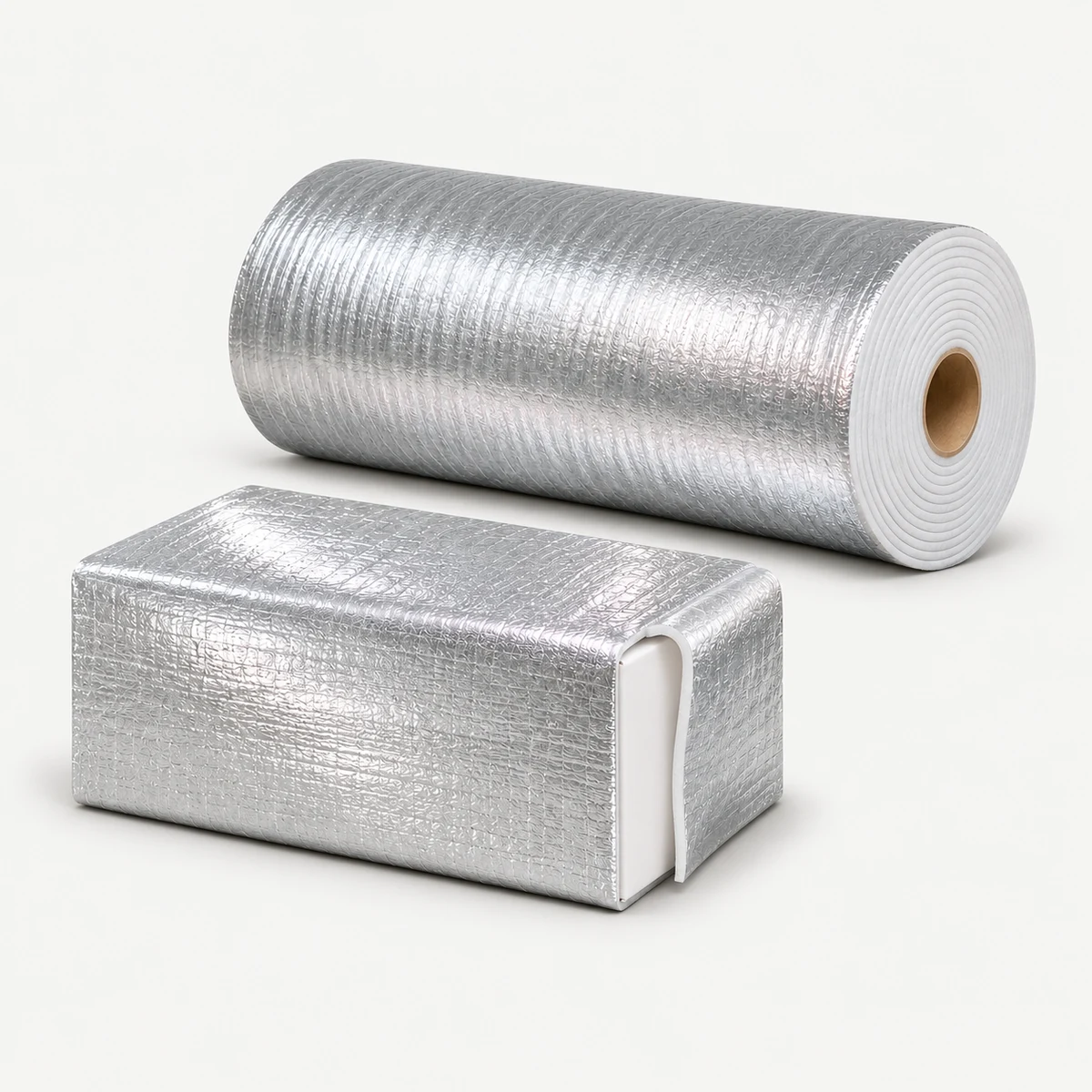
Dimensions
Separate roll dimensions from cut-sheet dimensions
For rolls, record usable width W (m), requested length L (m) and foam thickness T (mm); confirm core bore, roll diameter and handling weight separately. For sheets, give width × length and thickness with units. Check thickness using the agreed measurement method: compressing foam changes the reading. The image shows checking tools, not fixed dimensions or a test result.
Discuss roll or sheet specifications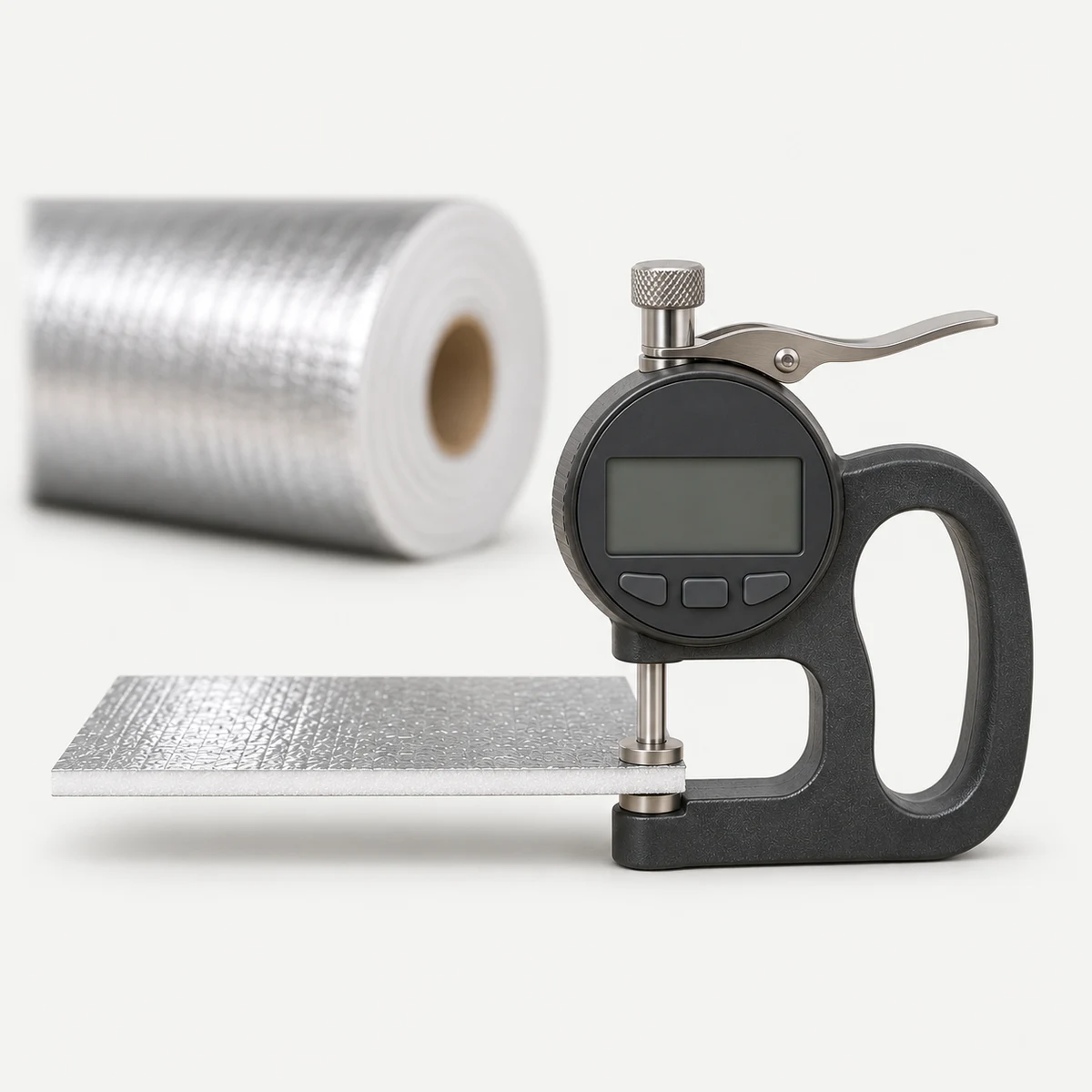
Materials & construction
Confirm both faces and the bond
The illustrated construction has a silver reflective face and white EPE foam reverse. Specify the facing composition, foam grade, thickness and bonding requirements on the sample order. Reflective film and aluminium foil are not interchangeable material declarations. Do not infer a multilayer recipe, fire rating, recyclability or direct food-contact approval from appearance.
Discuss roll or sheet specifications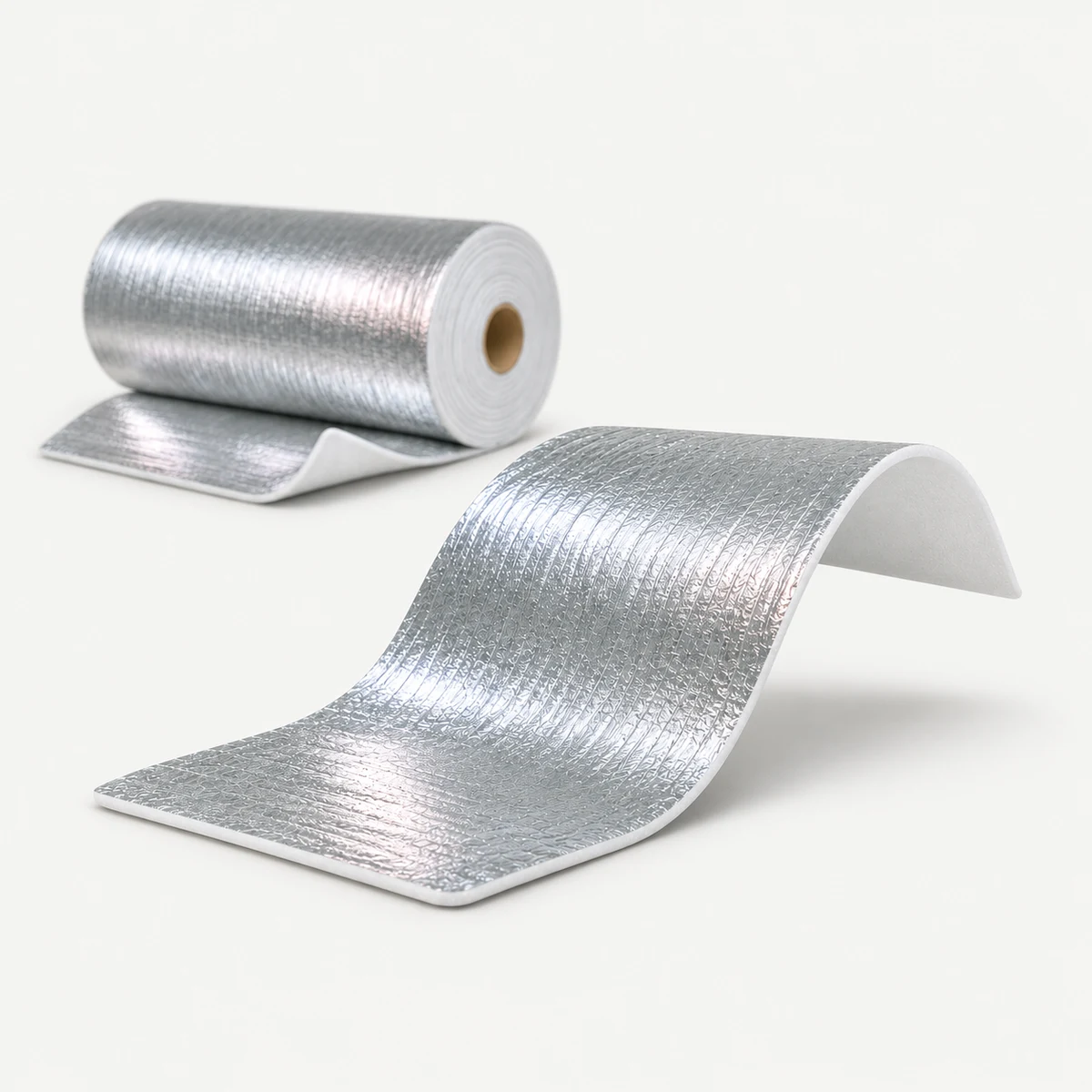
Cutting & handling
Check cut edges before approving conversion
Support the roll and unwind without pulling on the facing. Cut on a suitable surface using the agreed tooling and inspect edge separation, thickness recovery and sheet flatness. Define acceptable tolerances and splice limits. Keep the material clean and dry; avoid sharp objects and sustained compression. Thermal and cushioning results require tests of the complete pack.
Discuss roll or sheet specifications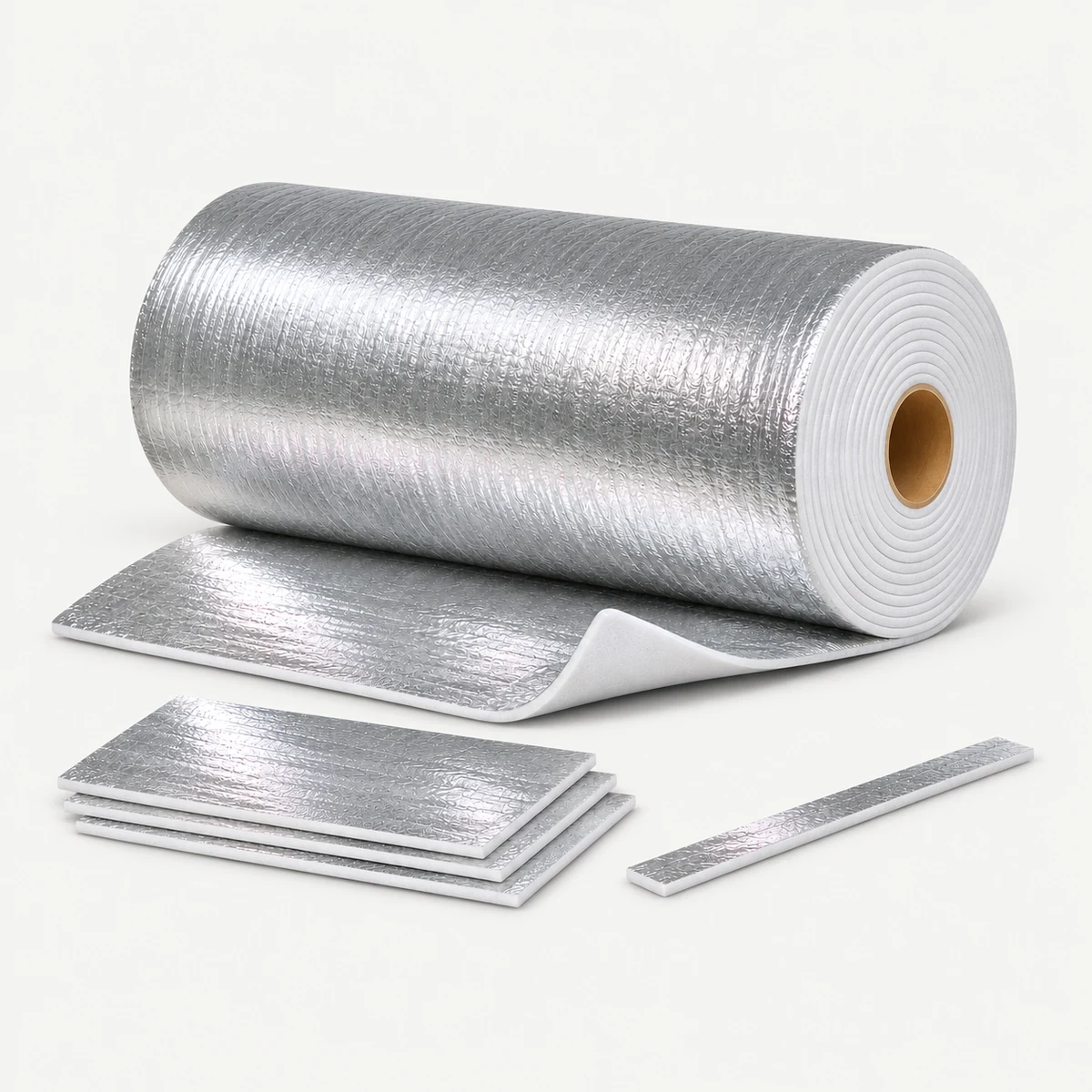
Order quantities
State rolls or sheets explicitly. Compare sample material, first production and repeat orders using the same confirmed laminate and dimensions; confirm any print requirement separately.
Sample evaluation
Review material, dimensions, print and packing before placing a production order.
First production order
Confirm the minimum quantity for the selected material, size and artwork.
Volume & repeat orders
Request quantity breaks, packing efficiency and staged delivery options.
MOQ & price
A quote built around your specification.
- Minimum order
- Confirm by size, material and print version
- Unit price & currency
- Written quotation required
- Quantity breaks
- Based on your requested order quantities
Send roll or sheet format, dimensions, facing specification, quantity and destination. Ask the quotation to state its unit: per roll, per sheet or per square metre, with conversion and packing costs separately listed.
Request product pricingLead time
Schedule confirmed for your order
Schedule confirmed for your order
Schedule confirmed for your order
Schedule confirmed for your order
Confirm material availability, sample approval, converting, inspection and transport stages for the order. Protect rolls from contamination and crushing; agree packing and unloading requirements before dispatch.
Export documentation
Agree the final material specification, sample reference, invoice and packing list. Any food-contact, thermal or destination-market documentation must cover the actual laminate and intended use. Do not transfer a certificate from another material or finished bag.
Commercial invoice & packing list
Order quantities, packing, weights and shipping terms
Confirm for your orderMaterial & product specification
Layer composition, dimensions and approved sample reference
Confirm for your orderApplicable test documentation
Match the report scope to the material, intended use and destination
Confirm for your orderCoolant information, where applicable
Composition, handling and relevant safety documentation
Confirm for your orderReview the records behind the specification.
Explore affiliated-factory audits and material sample reports, with the named holder and scope. Confirm the match to your cold-chain order.
What to confirm before production
State roll width and length in metres, foam thickness in millimetres, and order quantity in rolls or sheets. Agree tolerances and any splice policy.
Confirm the reflective facing, EPE substrate, bonding and surface finish on the sample. This is foam laminate, not air-bubble wrap.
Validate the complete packaging and route. The material alone does not establish cooling duration, direct food contact approval or cushioning performance.
A useful answer.
Is this the same as insulated bubble wrap?
No. EPE foam is a foam substrate; bubble wrap has separate formed air cells. Specify the required substrate and reflective facing separately. Silver appearance is not enough to identify the facing chemistry or confirm performance.
What information is needed for a roll or sheet quotation?
Specify rolls or cut sheets, width and length with units, foam thickness, facing composition, quantity and its unit, destination and target date. Agree core dimensions and splice limits for rolls, and cutting tolerances for sheets.
What are the MOQ and lead time?
MOQ and lead time depend on the product, material, artwork and production schedule. Confirm both against your exact specification; the published capacity figure is not a delivery-time commitment for an individual order.
Complete your packaging system.
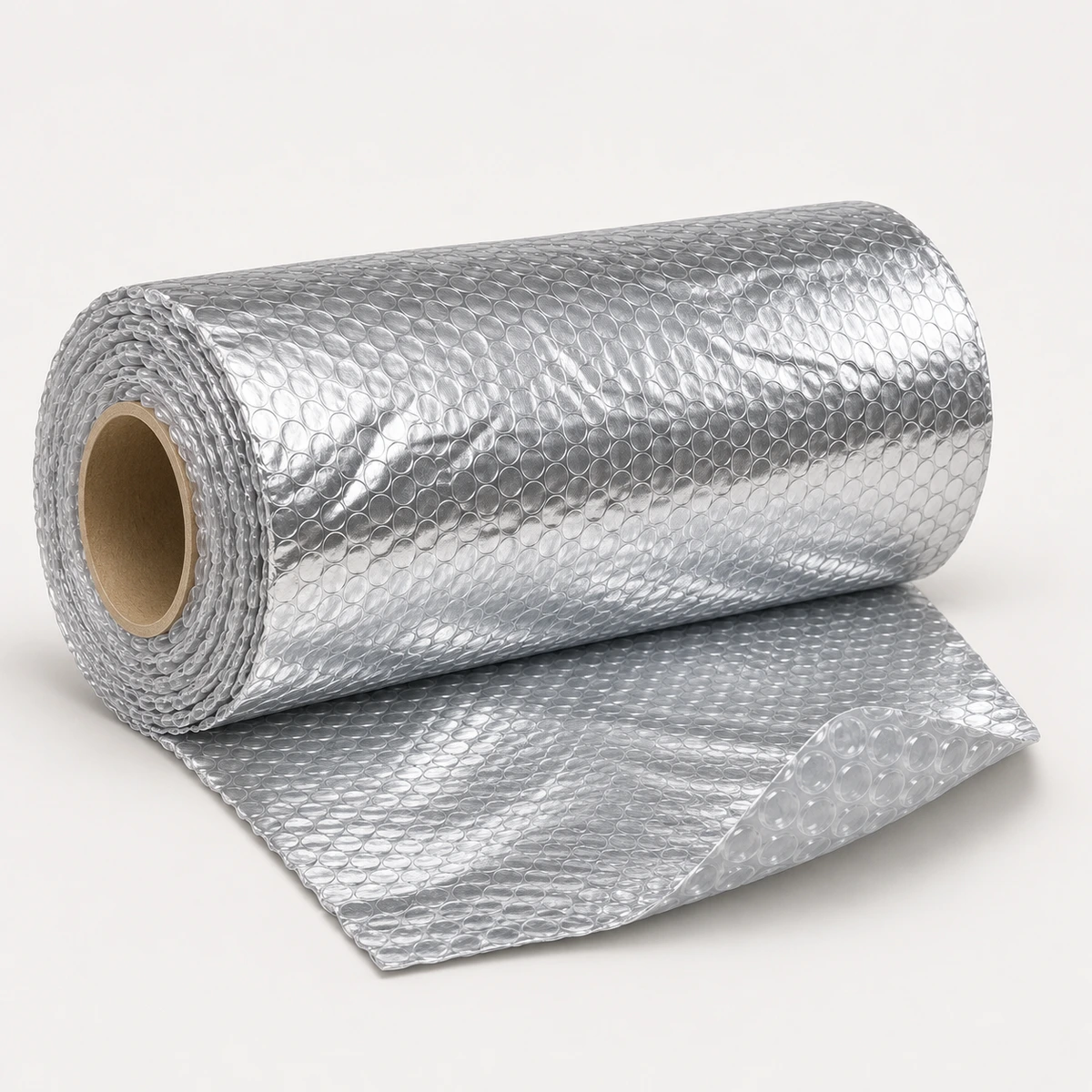
Foil bubble insulation roll
Packaging conversion · cut sheets · secondary wrapping
Explore product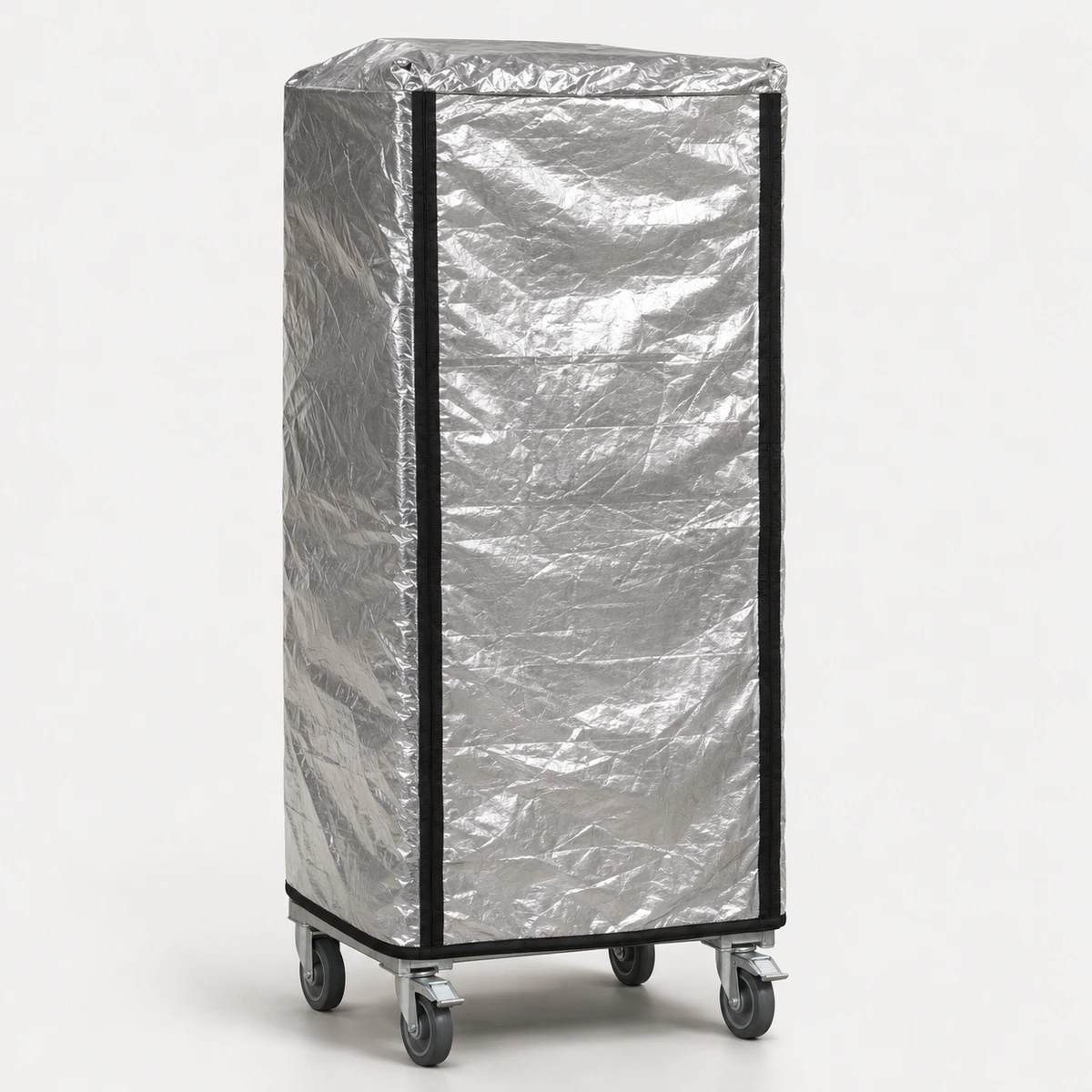
Insulated roll cage cover
Retail replenishment · distribution handovers · roll cage wrapping
Explore product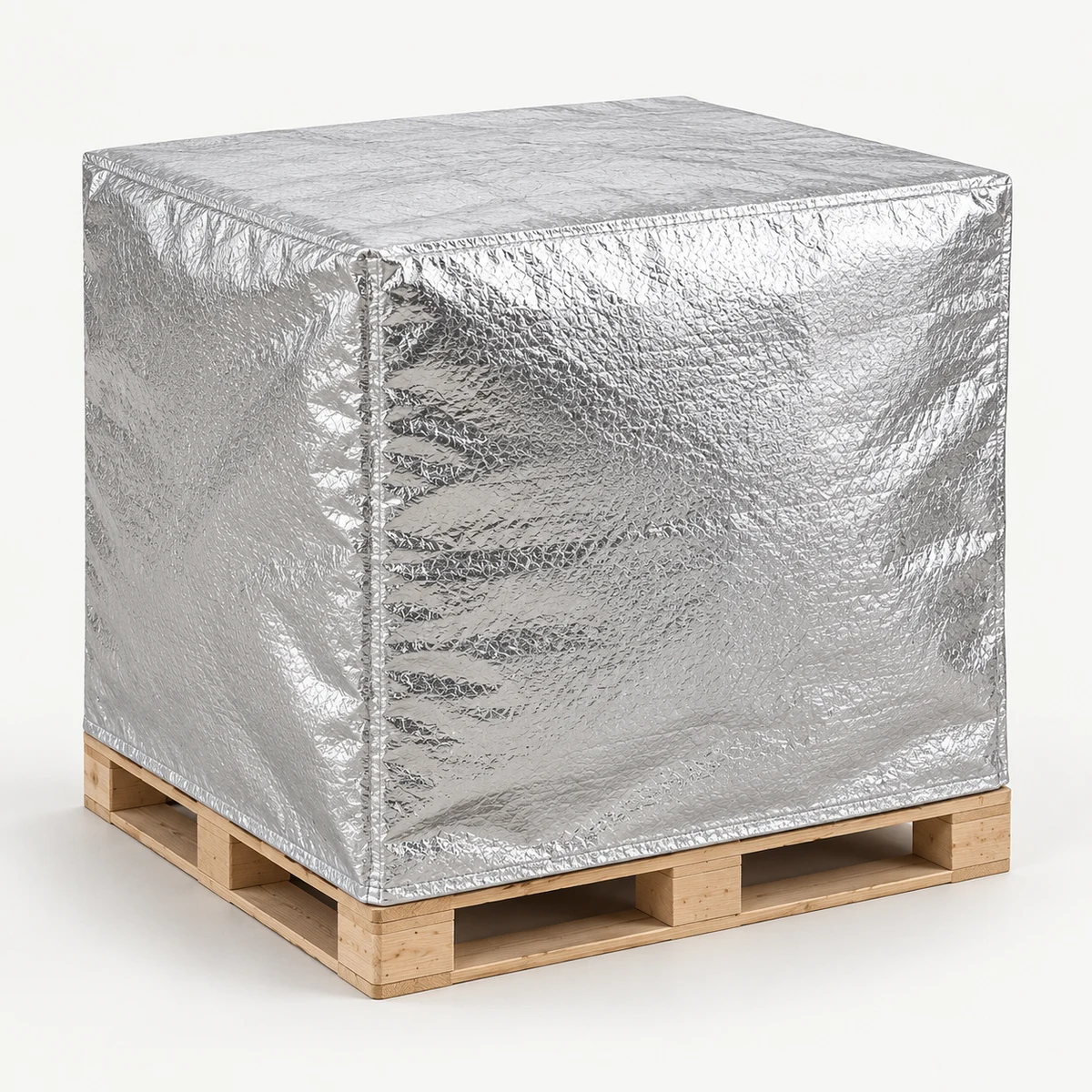
Insulated pallet cover
Palletized food shipments · warehouse handovers · short transfer stages
Explore product