
Compare Insulation Roll Quotes on the Same Area Basis
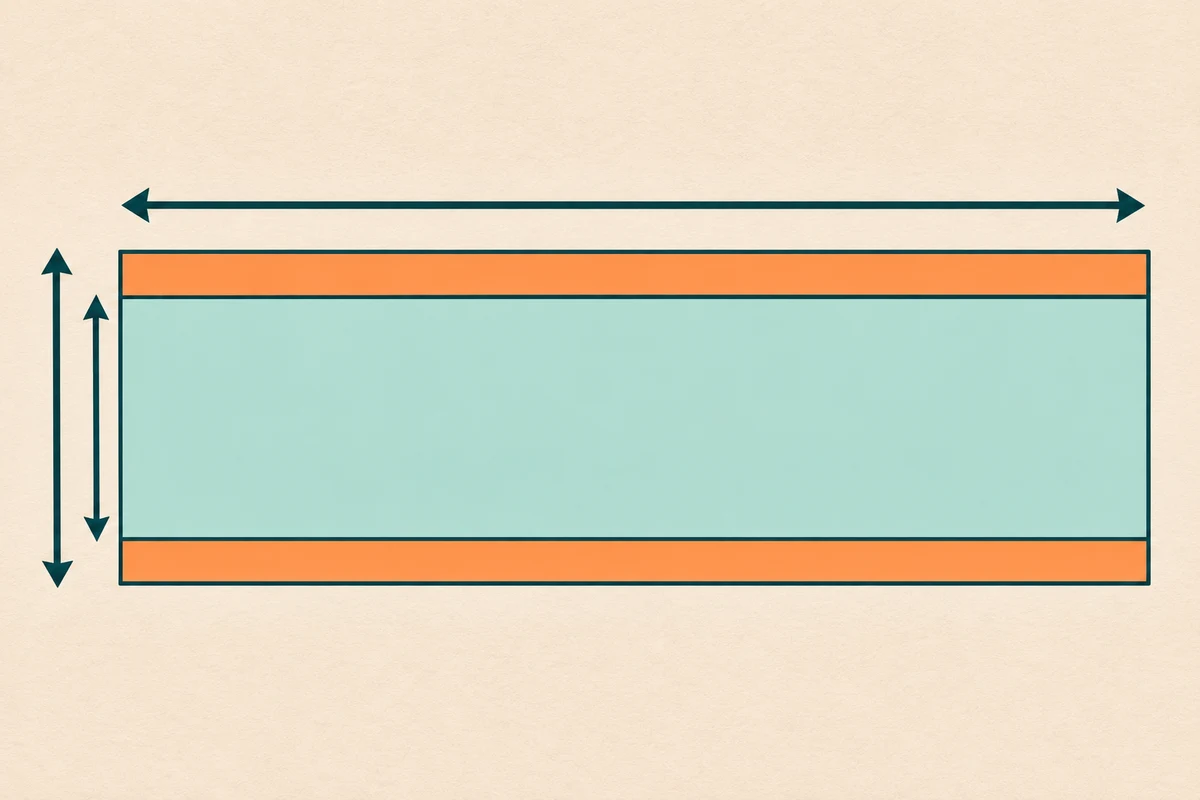
A lower price per roll does not establish a lower material cost if the rolls contain different areas. For a rectangular web of agreed, constant usable width, multiply that width by the quoted length, with both in metres. Divide the comparable roll price by that area. This gives a price per square metre on a stated basis; it does not establish the number of acceptable pieces your cutting plan will produce.
Establish what the quoted price buys
First align the material construction and the charges included. A price for reflective-faced EPE foam cannot substitute for a quotation for a reflective bubble laminate merely because both look silver. Facing composition, substrate and the agreed sample remain part of the item being compared. YUANEN’s bubble-roll page lists the facing and bubble requirements separately and asks buyers to confirm the actual laminate.
Keep currency and delivery terms consistent. The same product page asks for the pricing unit—per roll, sheet or square metre—and for cutting and protective-packing charges. If one roll price includes cutting or packing and another excludes it, list those items separately before comparing the material rate. Freight or other delivery costs belong in a separate comparison unless both quotations clearly include them on the same basis.
Use the usable width once
Ask whether the quoted width is the full web width or the usable width after the agreed edge allowance. If a full width is supplied, obtain the usable boundaries or trimming drawing before treating all of it as available area. If the supplier already quotes the net usable width, do not subtract the same edges again. Keep who performs trimming and who pays for it visible in the quotation.
Record width and length in metres. A width stated in millimetres must be divided by 1,000 before it is multiplied by a length in metres. Multiplying a millimetre figure directly by a metre figure and labelling the result square metres gives the wrong denominator. YUANEN’s bubble-roll specification already separates usable width and roll length from edge trim, thickness, core bore and roll diameter; do not replace the agreed length with a visual estimate from the roll diameter.
Write the denominator beside the result
For the agreed rectangular web: area A (m²) = usable width W (m) × quoted length L (m). Comparable price per m² = comparable roll price P ÷ A. Retain the quotation revision, W, L, currency and included charges beside the result. A number labelled only “price per m²” loses the information needed to check whether two quotations describe the same purchase.
If length varies by roll, use the agreed delivered-length record for reconciliation rather than assuming every roll equals a nominal length. If the usable width changes along the roll, one width multiplied by the whole length no longer describes that supply accurately. Agree how the supplier declares the affected quantities before accepting a single area-based comparison. These are calculation boundaries, not claims about the condition of a YUANEN delivery.
Keep cut-piece output separate from area
Area at an agreed usable width is not automatically joint-free material or accepted cut-sheet output. A repeated sheet size needs a cutting layout; edge remnants and any excluded joint areas must be handled according to the order. Check whether those exclusions are already reflected in the quoted quantity before deducting them. Do not apply an assumed waste percentage simply to make a quotation look comparable.
For repeat sheet sizes, compare the roll quotation with a cut-sheet quotation specifying dimensions, cutting tolerance, joint acceptance and accepted quantity. That comparison shows which cutting and inspection work remains with your team. It does not establish a universal cheaper format or a thermal-performance advantage. Use the existing splice-acceptance guide for the joint policy, and confirm actual material, dimensions and supply scope with the sample and written order.
Sources and scope
Check the cited sources. Product specifications are subject to order confirmation and the agreed sample. This article is not a product test report or a regulatory certification.