
Agree Splice Acceptance Before Ordering Insulation Rolls
Set the splice rule from the pieces you need to cut, then agree how each delivered roll will demonstrate compliance. A limit on the number of joints answers a different question from a marker showing where a joint is. Neither, on its own, establishes how much acceptable continuous material you can obtain.
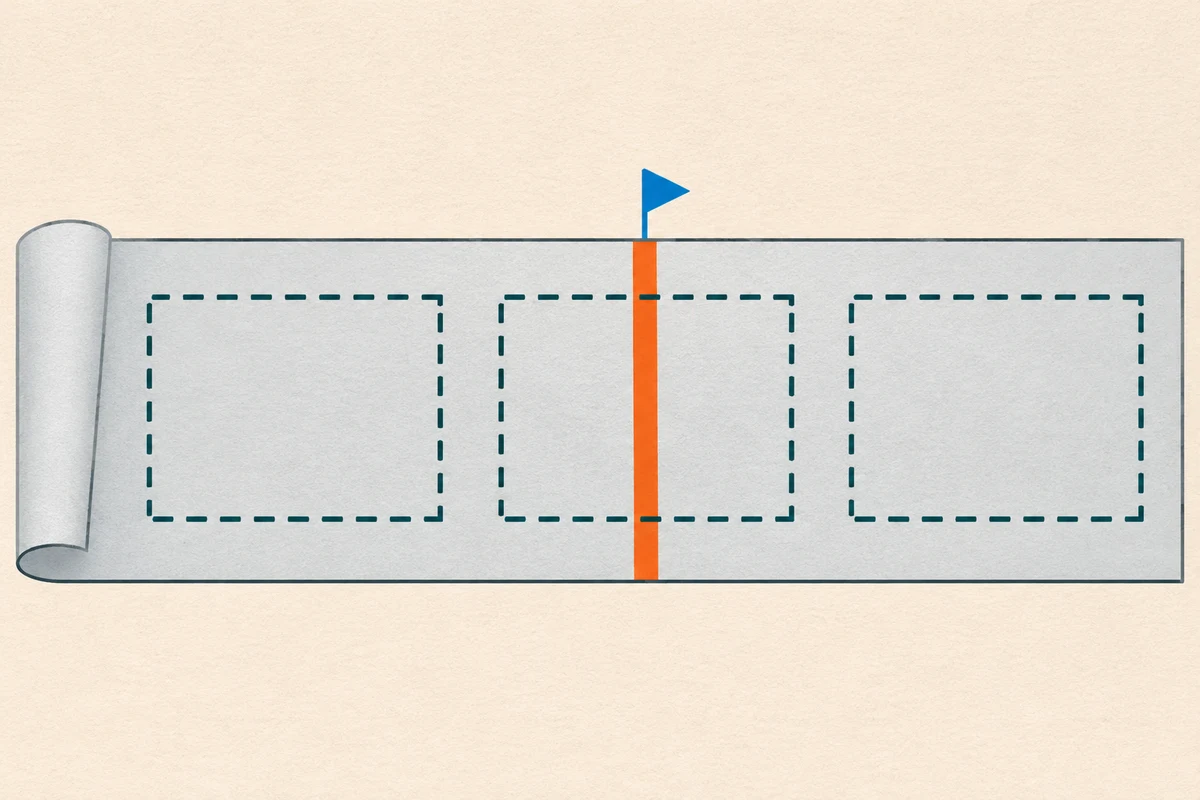
Define the joint covered by the order
Here, a splice means a joint already present within a supplied roll. It does not mean the overlap a packer makes when wrapping a package, or a joint an operator later makes between two rolls.
YUANEN’s EPE roll page asks buyers to agree splice limits and policy; the bubble roll page separately asks how splices are identified. These are project-specific requirements, not a published standard count or an assurance that every roll is splice-free.
The SPMC rollstock guide hosted by IoPP separates splice count, joint type and tape specification. Its sterilization-packaging examples are not acceptance limits for EPE or bubble insulation.
Start with the required continuous piece
Consider a hypothetical buyer cutting repeated sheets who requires every accepted sheet to be free of joints. A splice inside a planned sheet means that particular cut layout does not meet the requirement. The buyer may be able to move the cut positions or set aside material around the joint, but the remaining segments must still fit the required sheet length. A low splice count alone cannot answer that layout question because the positions of the joints also matter.
If the intended use permits a joint within a finished piece, a splice-free requirement may be unnecessary. In that case, review the proposed joint arrangement on the actual laminate and in the intended use before accepting it. Request a drawing or representative sample that identifies both faces, the joining area and any added joining material. That lets the receiving team assess the offered construction instead of interpreting the phrase “standard splice.” Appearance alone does not demonstrate bond strength, cushioning or thermal performance.
Connect count, position and identification
A count limit defines permitted supply; positions determine possible cut layouts; markers let staff locate the joints. Agree the location reference, such as the defined unwind start, so both parties identify the same place.
Link that information to an identifiable roll, not just to the shipment as a whole. A packing-list statement that some rolls contain joints leaves the receiver unable to match the statement to the material. Agree how the roll label and accompanying record correspond, what a physical marker means, and how missing or conflicting information is handled before use. If a machine must detect the joint, its responsible owner must assess that interface; a visible flag is not proof of automatic detection.
Compare usable quantity on the same basis
Roll length, continuous lengths free of joints and accepted cut-sheet output are different measures. If material around a joint will be excluded, agree whether the quoted length includes it and how the excluded material is recorded. Otherwise two offers described with the same roll length can leave a buyer planning different quantities of acceptable sheets. Do not infer a fixed waste percentage from splice count: the required cut length, joint positions and agreed disposition determine the layout.
For repeated sheet sizes, also request a quotation for cut-sheet supply with its own joint-acceptance rule. YUANEN lists both rolls and cut sheets for these material families. Compare the agreed quantity basis, cutting and packing charges, and the handling work left with your team. Cut-sheet supply changes where cutting is done; it is not automatically cheaper, splice-free or evidence of tested pack performance.
Make the order usable at receipt
Attach the agreed material and sample reference, whether joints are permitted, their accepted arrangement and limits, the roll-identification record and the quantity basis. Where a requirement is unresolved, name the question that blocks acceptance instead of replacing it with “supplier standard.” Ask the quotation to disclose any exception before approving the order.
At receipt, first match the roll identity and declared splice information to that agreement. During the agreed sample or converting review, check whether the declared locations and proposed cut plan actually support the required pieces. If they do not, retain the roll identity and discrepancy for a disposition decision; neither an undocumented acceptance nor an isolated exception should silently become the specification for future orders.
Sources and scope
Check the cited sources. Product specifications are subject to order confirmation and the agreed sample. This article is not a product test report or a regulatory certification.